How Solar Panel Really Works?
Solar
energy is rapidly gaining adoption across Nigeria as households and businesses
seek reliable alternatives to grid electricity and diesel generators. At the
center of this transition are solar panels, which convert sunlight into usable
electricity through photovoltaic technology. This guide explains how solar
panels work in clear, continuous prose, with specific relevance to Nigerian
climate conditions, energy challenges, and usage patterns.
What Solar Panels Are
Solar
panels are engineered devices designed to capture sunlight and convert it into
electrical energy. Each panel is made up of interconnected solar cells, most
commonly produced from silicon-based semiconductor materials. When exposed to
sunlight, these cells initiate a physical process that generates electricity.
In Nigeria, solar panels are widely used in residential homes, small and
medium-scale businesses, schools, hospitals, farms, and off-grid rural communities
where access to stable grid power is limited.
How Photovoltaic Technology Works
Photovoltaic
technology operates on the photovoltaic effect, which occurs when light energy
interacts with a semiconductor material and produces an electric current. When
sunlight reaches the surface of a solar panel, photons are absorbed by the
solar cells. This energy excites electrons within the silicon material, causing
them to break free from their atomic bonds. An internal electric field within
the solar cell directs these free electrons to flow in one direction, creating
direct current electricity. This direct current is then sent to an inverter,
which converts it into alternating current suitable for powering appliances and
equipment commonly used in Nigerian homes and businesses.
Structure and Materials of a Solar Panel
A solar
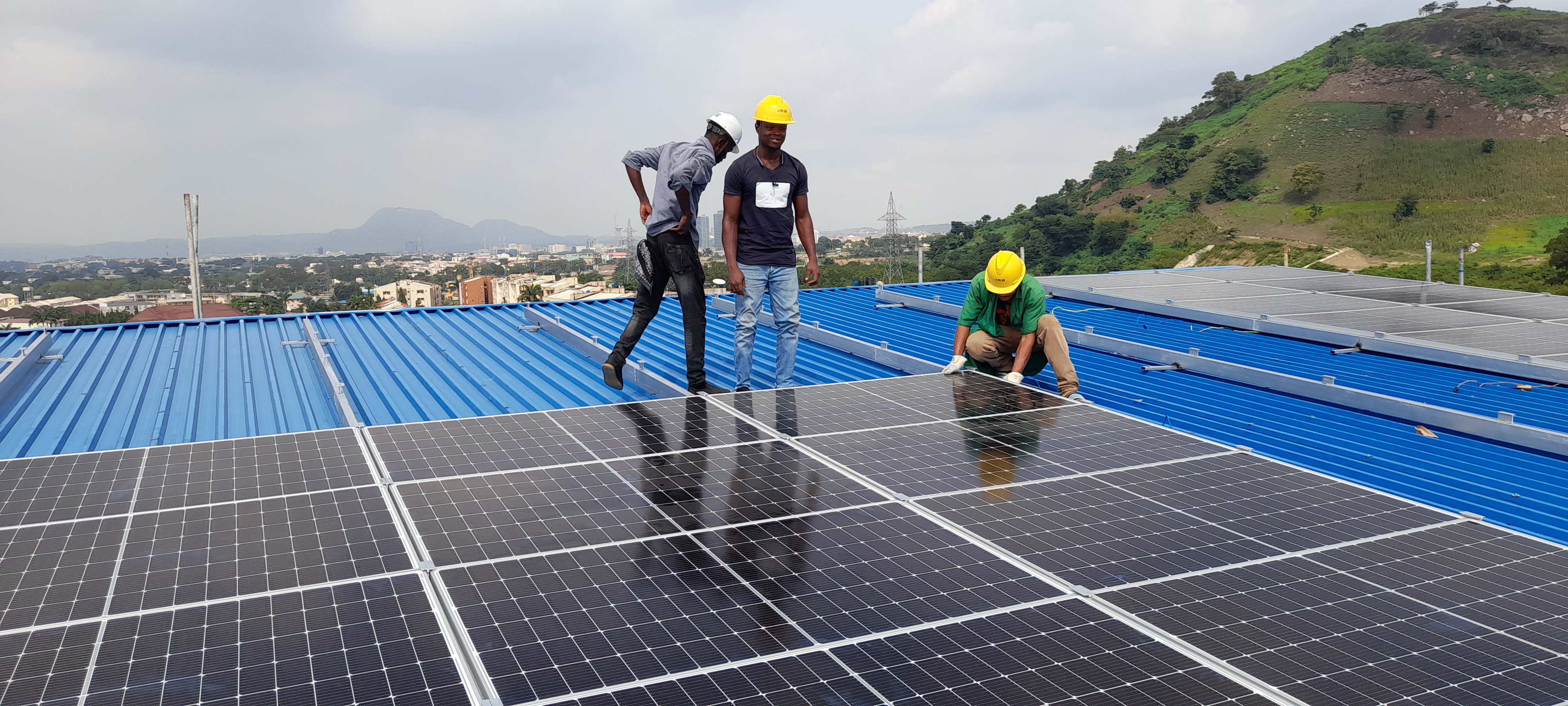
panel is built with multiple protective and functional layers designed to
withstand Nigeria’s high temperatures, heavy rainfall, and dust exposure. The
solar cells are sealed beneath a strong tempered glass layer that allows
sunlight to pass through while protecting the cells from physical damage.
Encapsulant materials hold the cells in place and prevent moisture penetration,
which is particularly important during the rainy season. At the back of the
panel, an insulating backsheet protects the electrical components, while an
aluminum frame provides structural strength and enables secure mounting on
rooftops or ground structures.
Types of Solar Panels Used in Nigeria
The most
commonly used solar panels in Nigeria are monocrystalline and polycrystalline
panels. Monocrystalline panels are manufactured from a single silicon crystal
and are known for their high efficiency and strong performance in limited roof
space, making them suitable for urban homes and offices. Polycrystalline panels
are produced from multiple silicon fragments and are slightly less efficient
but more affordable, which makes them popular for larger installations and
cost-sensitive projects. Thin-film panels are used less frequently but may be
applied in specialized situations where lightweight or flexible solutions are
required.
Role of the Inverter in a Solar System
Solar
panels naturally produce direct current electricity, but most electrical
appliances in Nigeria operate on alternating current. The inverter plays a
critical role by converting direct current into alternating current. In
grid-connected systems, the inverter also synchronizes the solar power with the
national grid. In hybrid and off-grid systems, commonly used due to frequent
power outages, the inverter manages power flow between solar panels, batteries,
and backup generators to ensure continuous electricity supply.
How Solar Energy Is Used and Stored
In
grid-tied solar systems, excess electricity generated during the day can be fed
into the public power grid where net metering is available, although this is
still limited in Nigeria. In off-grid systems, which are very common across the
country, electricity is stored in batteries for use at night or during cloudy
periods. Hybrid systems combine solar panels, battery storage, and grid or
generator support, offering a practical solution for businesses and households
seeking uninterrupted power in areas with unstable electricity supply.
Performance of Solar Panels in Nigerian Conditions
Nigeria’s
high solar irradiation levels make it an excellent location for solar power
generation. However, performance is influenced by factors such as panel
orientation, roof angle, temperature, dust accumulation, and shading from nearby
buildings or trees. While high temperatures can slightly reduce panel
efficiency, proper system design and ventilation help maintain optimal
performance. Regular cleaning is recommended in dusty regions to ensure
consistent energy output.
Benefits of Solar Panels in Nigeria
Solar
panels provide a clean and renewable source of energy that reduces dependence
on fuel-powered generators and lowers long-term electricity costs. They require
minimal maintenance, operate silently, and have a lifespan that typically
exceeds twenty-five years. For Nigerian users, solar energy offers improved
energy security, protection from fuel price volatility, and a practical
solution to frequent power outages.
Addressing Common Misconceptions
Many
people believe solar panels do not work during cloudy weather, but in reality
they continue to generate electricity, albeit at reduced levels. Another common
misconception is that solar systems are unaffordable, even though system costs
have declined significantly and savings accumulate over time. Some also assume
solar panels require constant servicing, whereas routine inspection and
occasional cleaning are usually sufficient.
Conclusion
Solar panels work by converting sunlight into electricity through photovoltaic technology, providing a dependable and sustainable energy solution well suited to Nigeria’s climate and energy needs. By understanding how solar panels function and how they integrate with inverters and battery systems, individuals and organizations can make informed decisions about adopting solar power. As electricity demand continues to rise and grid reliability remains a challenge, solar energy stands out as a practical and forward-looking investment for Nigeria.